Does your dog have a chicken allergy?
Chicken is found in many types of dog food. Delicious and nutritious, unless your dog doesn't do well with it. Dogs can develop a chicken allergy, and it's more common than many owners realize.
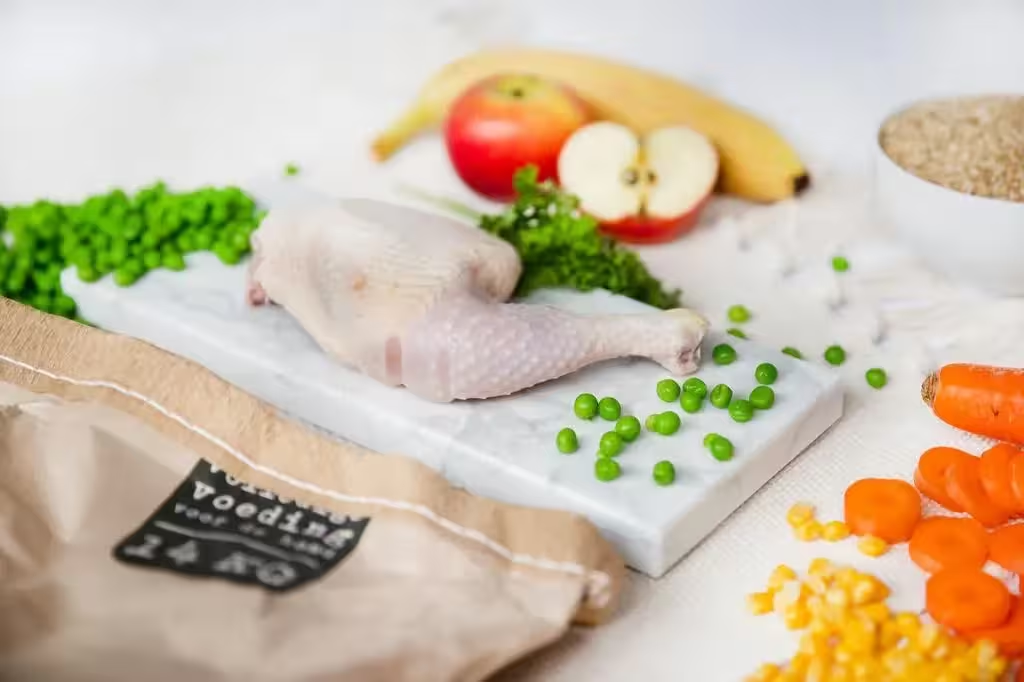

What Is a Chicken Allergy in Dogs?
A chicken allergy is a food allergy in which your dog’s immune system overreacts to proteins found in chicken. Instead of recognizing chicken as harmless food, the immune system mistakenly identifies it as a threat. This can lead to a variety of skin, ear, and digestive issues. Not ideal, especially since chicken is found in many commercial dog foods and treats.
Some sensitive dogs do not react to an entire diet, but rather to one specific ingredient.
What Is the Difference Between a Food Allergy and a Food Intolerance?
The difference between a food allergy and a food intolerance lies in how the body reacts. A food allergy involves the immune system. The body mistakenly identifies a specific protein as harmful, which can trigger symptoms such as skin irritation, itching, or, in severe cases, breathing difficulties. A food intolerance, on the other hand, is a digestive issue. The body struggles to properly digest a particular protein, usually resulting in digestive symptoms such as stomach discomfort, diarrhea, or vomiting. Dogs with food intolerances may also develop ear infections, skin problems, or coat issues, but these symptoms occur without the involvement of the immune system. Food allergies are generally more serious and, although uncommon, can potentially become life-threatening. Food intolerances are much more common and mainly cause discomfort rather than serious health risks. The most common food intolerances in dogs involve grains, gluten, soy, chicken, and beef. In everyday conversation, the terms allergy and intolerance are often used interchangeably. Regardless of the terminology, the dietary approach is largely the same: identify the ingredient that causes the symptoms and eliminate it from your dog’s diet.
How Can You Recognize a Chicken Allergy?
A chicken allergy can present itself in several different ways. Some dogs mainly develop skin problems, while others experience digestive issues.
Common signs include:
The tricky part is that these symptoms can also be caused by other allergies or skin conditions.
So no, one scratching session doesn’t automatically mean chicken is the culprit. But how can you tell whether your dog reacts to chicken or another protein source?
How Can You Be Sure Your Dog Has a Chicken Allergy?
The most reliable way to diagnose a food allergy is through an elimination diet. With an elimination diet, you remove specific proteins from your dog’s diet for at least eight weeks. If you suspect a chicken allergy, this means eliminating chicken completely.
And completely really means completely:
If your dog eats chicken during the elimination period, the eight-week countdown starts over.
Chicken elimination diet step by step
If your dog’s symptoms disappear during the elimination diet and return as soon as chicken is reintroduced, you have a strong indication that chicken is indeed the problem.
Patience is essential. Unfortunately, there is currently no quick “chicken allergy test” that provides a reliable answer within minutes.
A Complete Elimination Diet
If eliminating just one protein source doesn’t resolve the symptoms, it may be necessary to follow a stricter elimination diet. Instead of removing only chicken, you limit your dog’s diet to just one or two carefully selected protein sources and gradually introduce additional proteins one at a time. Fresh raw food is often the easiest option because it typically contains very few additional ingredients.
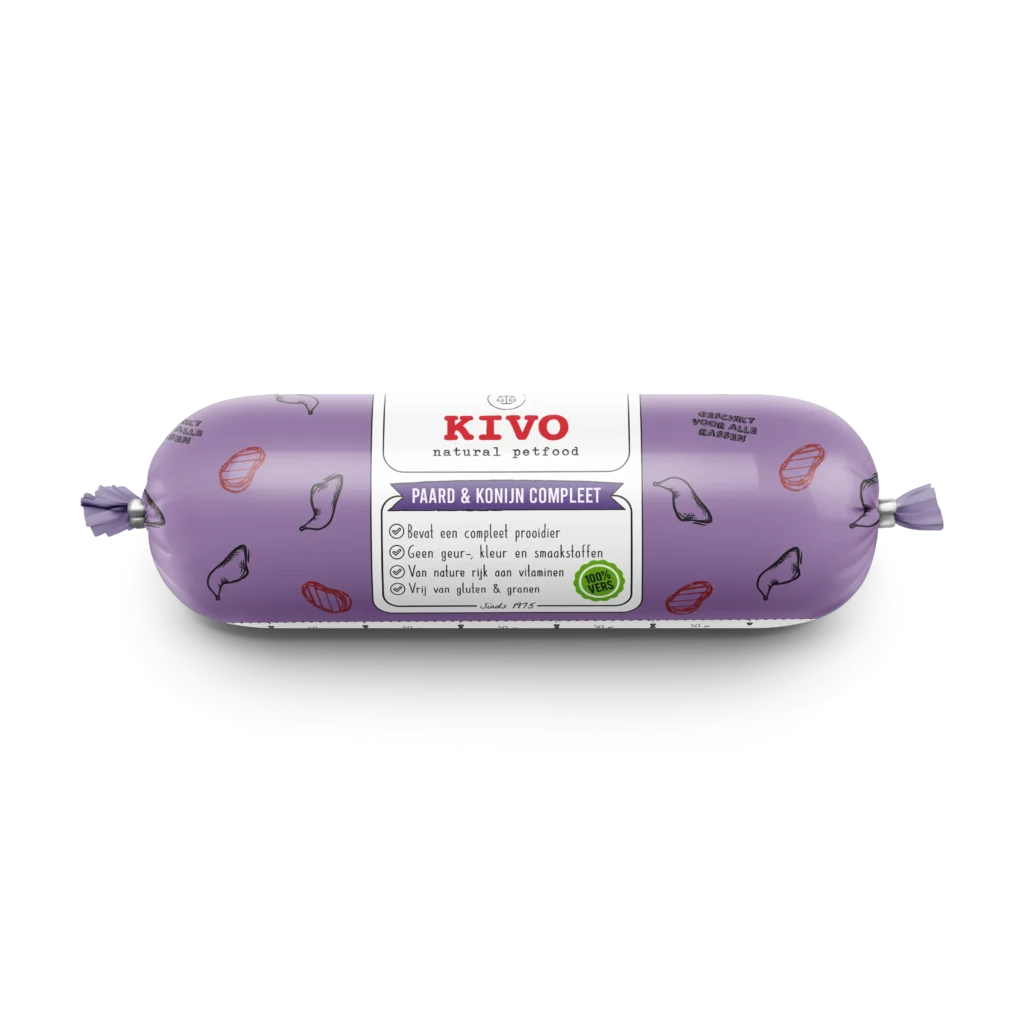
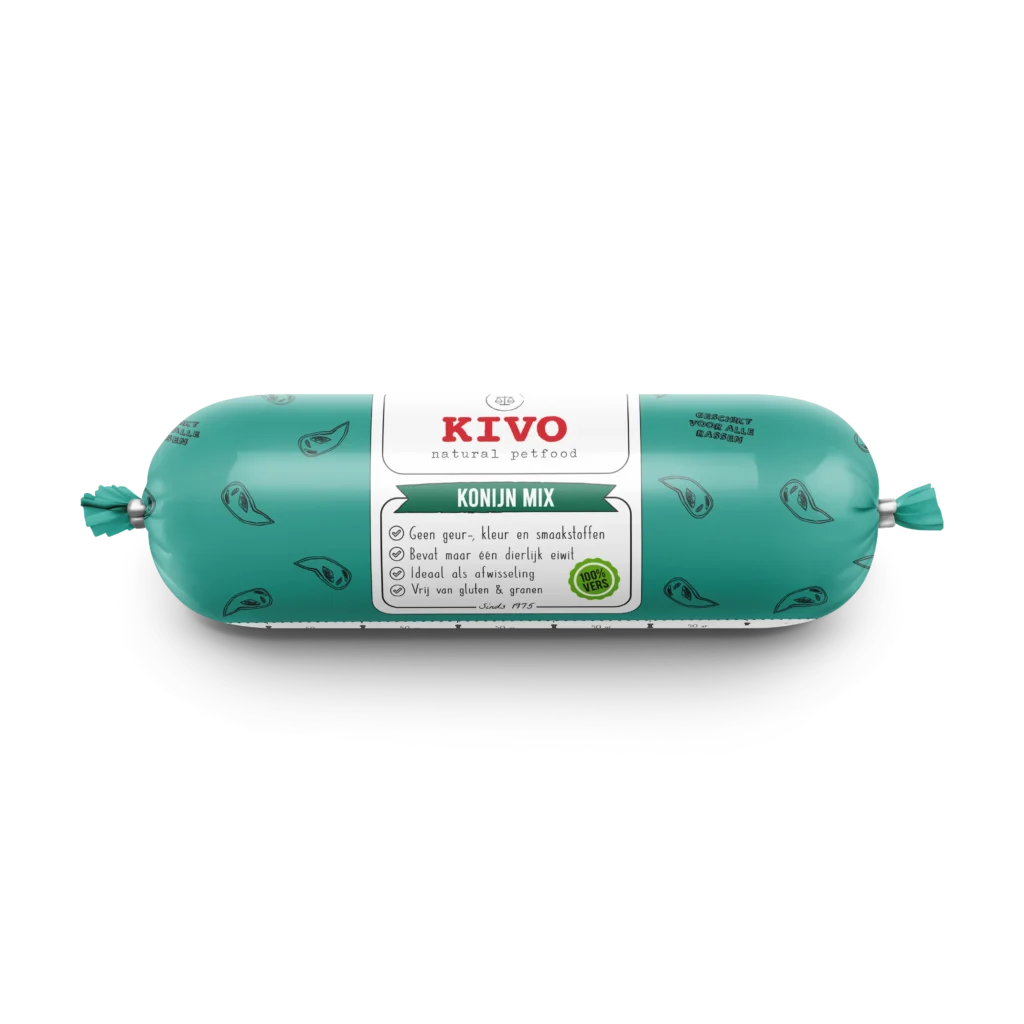
For example: Feed only horse and rabbit for eight weeks using a complete horse & rabbit fresh meat diet, optionally supplemented with 100% pure horse or rabbit treats without additives.
After eight weeks:
By introducing proteins one at a time, you can gradually identify exactly which proteins your dog can and cannot tolerate. Keep in mind that every step requires at least eight weeks before you can properly evaluate the results. And yes, if your dog sneaks a forgotten sandwich from the bushes during the trial, the eight-week period for that stage starts all over again.
What Should You Feed a Dog with a Chicken Allergy?
Fortunately, there are plenty of excellent alternatives for dogs that cannot tolerate chicken. Some protein sources rarely trigger allergic reactions. These are often referred to as hypoallergenic proteins.
A practical introduction order for a strict elimination diet is:
If your dog has reacted poorly to a particular protein before, simply skip that protein. Many dogs thrive on a single, clearly defined protein source without unnecessary ingredients. Most importantly, the diet should remain complete and nutritionally balanced.
Even without chicken, your dog can continue to live a healthy, active life and happily sprint to the food bowl every day.
Can Dogs with a Chicken Allergy Eat Chicken Fat?
If your dog is allergic to chicken, you may wonder whether chicken fat is still safe. The answer is yes. Food allergies and intolerances are triggered by proteins, not by pure fats. Properly rendered chicken fat contains virtually no chicken protein, meaning that most dogs with a chicken allergy or intolerance can safely consume it. The same principle applies to fish allergies. For example, a dog that reacts to salmon protein can often still tolerate purified salmon oil because it contains fat rather than protein. So if a kibble contains chicken fat but no chicken protein, this is generally not a problem for dogs with a chicken allergy.
What Role Does Nutrition Play in Managing a Chicken Allergy?
The right diet can make a tremendous difference for dogs with food sensitivities.
Nutrition for sensitive dogs typically focuses on:
If your dog eats something every day that its body cannot tolerate, the symptoms are likely to persist.
Our View on Hypoallergenic Nutrition at KIVO
At KIVO, we believe dog food should be simple, honest, and logical, especially for dogs with sensitive digestion or skin problems.
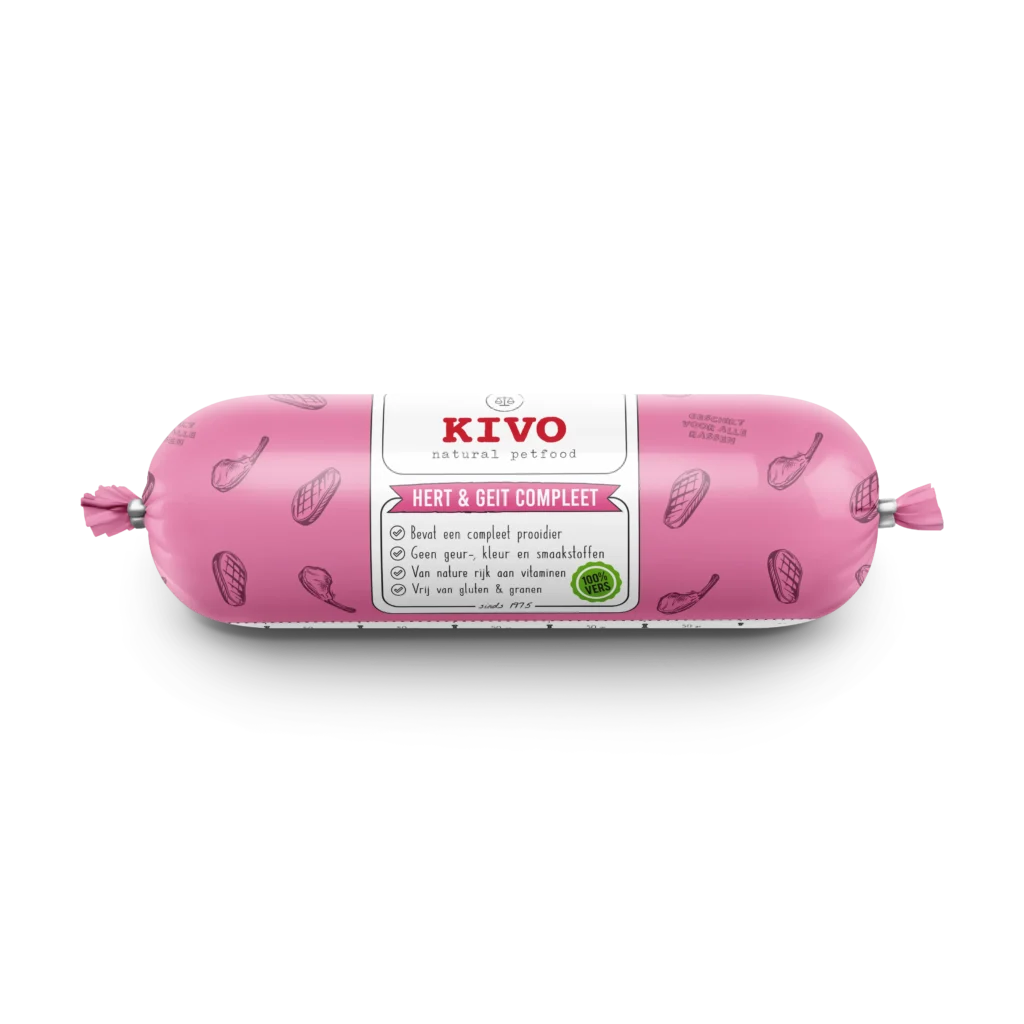
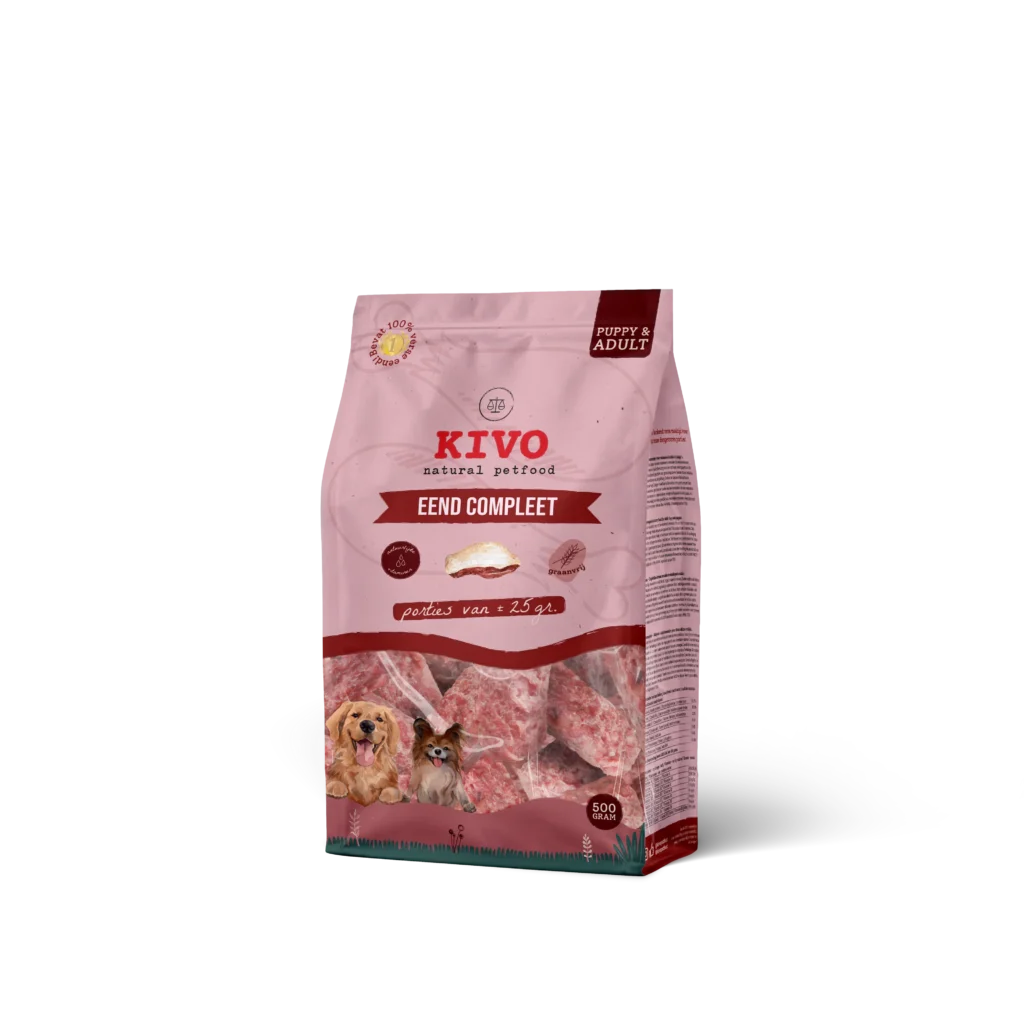
That’s why we develop hypoallergenic recipes without chicken, using:
Without unnecessary additives. Simply honest nutrition that sensitive dogs can truly thrive on. And even without chicken, you’ll still find plenty of variety within our range.
Can Dogs Eat Chicken-Free Food Every Day?
Yes, absolutely. As long as the diet is complete and nutritionally balanced, dogs can safely eat alternative protein sources every day. In fact, for dogs with a chicken allergy, avoiding chicken consistently is essential to keeping symptoms under control. And believe us, most dogs miss chicken far less than their owners think.
Summary: Does Your Dog Have a Chicken Allergy?
A chicken allergy can cause itching, skin irritation, ear infections, and digestive problems such as diarrhea or vomiting. An elimination diet is the most reliable way to determine whether chicken is the cause. If your dog’s symptoms improve after removing chicken from the diet, switching to suitable alternative protein sources can help prevent future flare-ups.
If your dog’s symptoms persist or you’re unsure about the underlying cause, professional advice is always recommended. Feel free to contact us for free, personalized nutritional advice. We’d be happy to help you find the most suitable diet for your dog.
Meer lezen
Is tripe good for dogs?
Fair warning: tripe smells about as good as it sounds. It's definitely not something you'd want to eat yourself. But dogs? They usually go absolutely crazy for it. And to be fair, tripe is also a great addition to many dogs' diets.
Dull Coat in Dogs: What Can You Do?
Normally your dog's coat shines as if they just stepped out of a shampoo commercial. Then suddenly it starts looking dry, dull or simply a little lacklustre. A dull coat is quite common in dogs and is often a sign that something is out of balance. Sometimes it's only temporary, such as during shedding season. But if the coat remains dull for a longer period, it may indicate nutritional deficiencies, skin problems or another underlying issue.
Diarrhoea in dogs: what can you do?
You turn around for just a second during your walk and suddenly there's a complete disaster waiting for you on the grass. Yep... your dog has diarrhoea. Definitely not the highlight of your day. Fortunately, diarrhoea in dogs is usually nothing serious and often clears up on its own within a few days. Still, it's helpful to know what can cause it, what you should do and when it's time to give your veterinarian a call.