Dull Coat in Dogs: What Can You Do?
Normally your dog's coat shines as if they just stepped out of a shampoo commercial. Then suddenly it starts looking dry, dull or simply a little lacklustre. A dull coat is quite common in dogs and is often a sign that something is out of balance. Sometimes it's only temporary, such as during shedding season. But if the coat remains dull for a longer period, it may indicate nutritional deficiencies, skin problems or another underlying issue.

What Is a Dull Coat in Dogs?
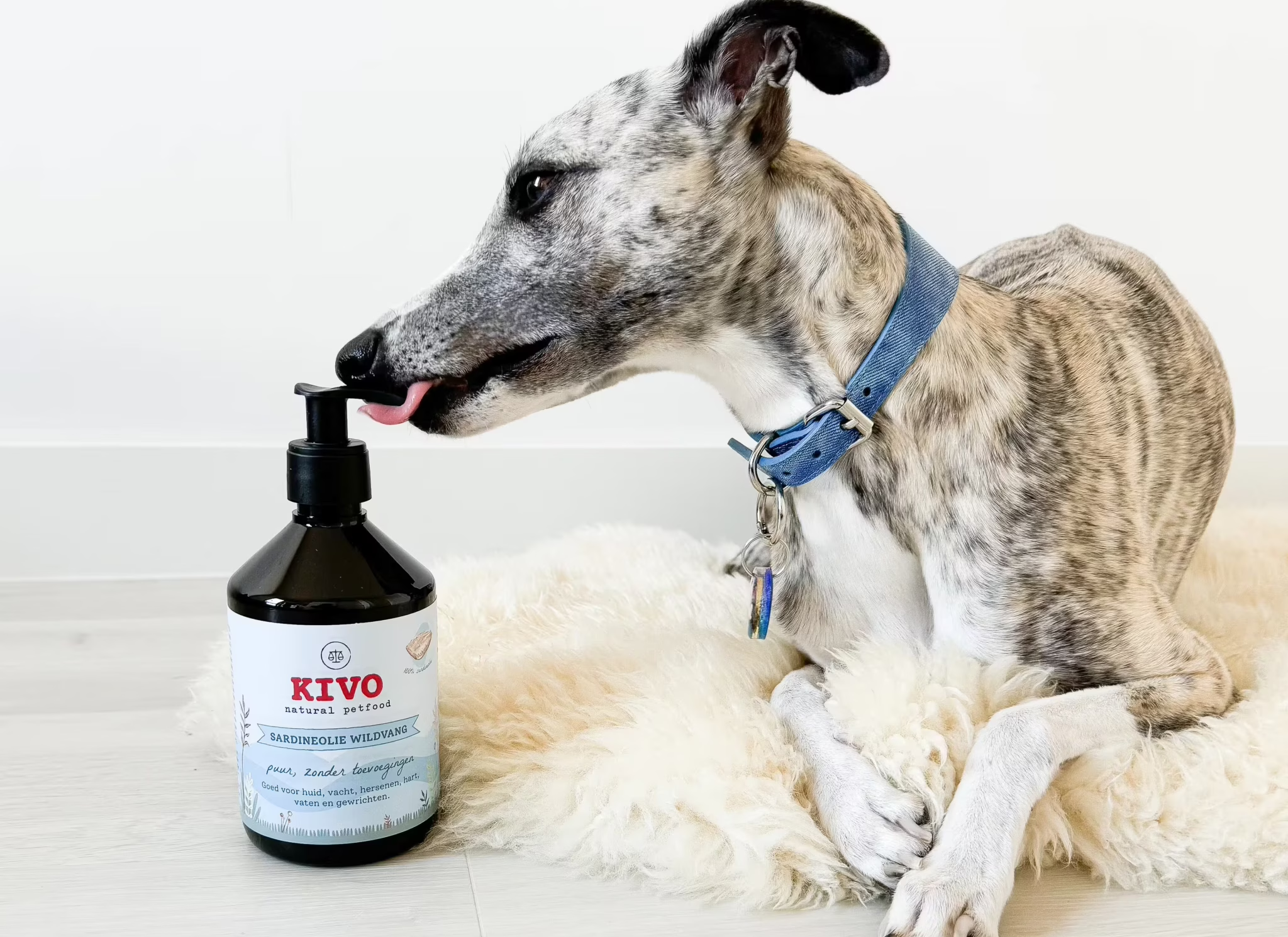
A dull coat means your dog’s fur has lost its natural shine. It may feel dry, coarse or brittle and can become more prone to tangles. In some dogs, it’s simply a matter of reduced shine. Others may also develop itching, flaky skin or excessive scratching. In short, your dog’s coat often reflects what’s going on inside their body.
What Causes a Dull Coat in Dogs?
There are several possible reasons why a dog’s coat becomes dull. And no, it’s not always because of a muddy walk or an enthusiastic roll in the grass.
Common causes include:
Every dog is different. While one dog may respond quickly to changes in diet, another dog’s coat may be more affected by skin health or age.
Dull Coat and Itching in Dogs
A dull coat often goes hand in hand with itching. Your dog may start scratching, licking or chewing at their skin, which can cause even more damage to the coat.
Before you know it, you’ll have:
That’s why it’s important to check not only the coat, but also the skin underneath. If you notice redness, flakes or bald patches, it’s worth investigating the underlying cause.
A healthy coat does not start with shampoo. It starts with what goes into your dog’s food bowl every day.
What Role Does Nutrition Play?
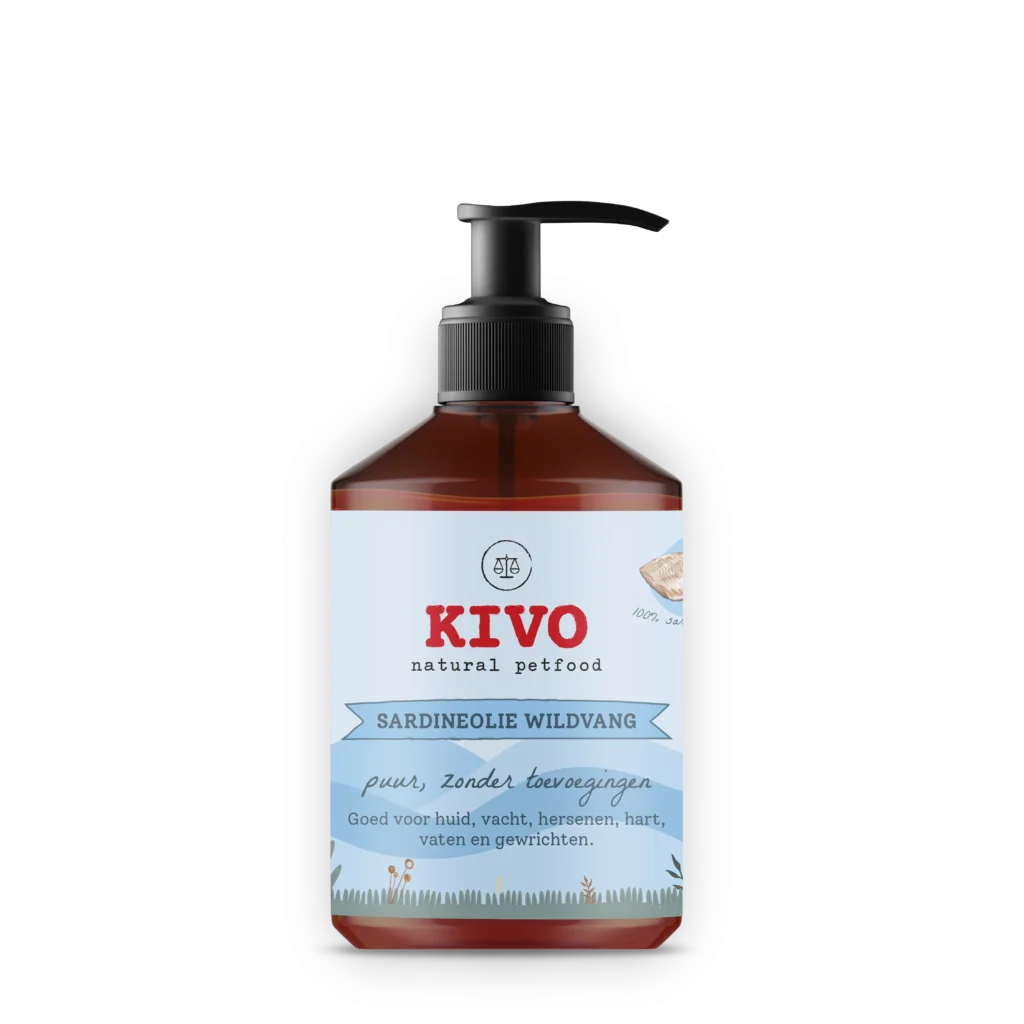
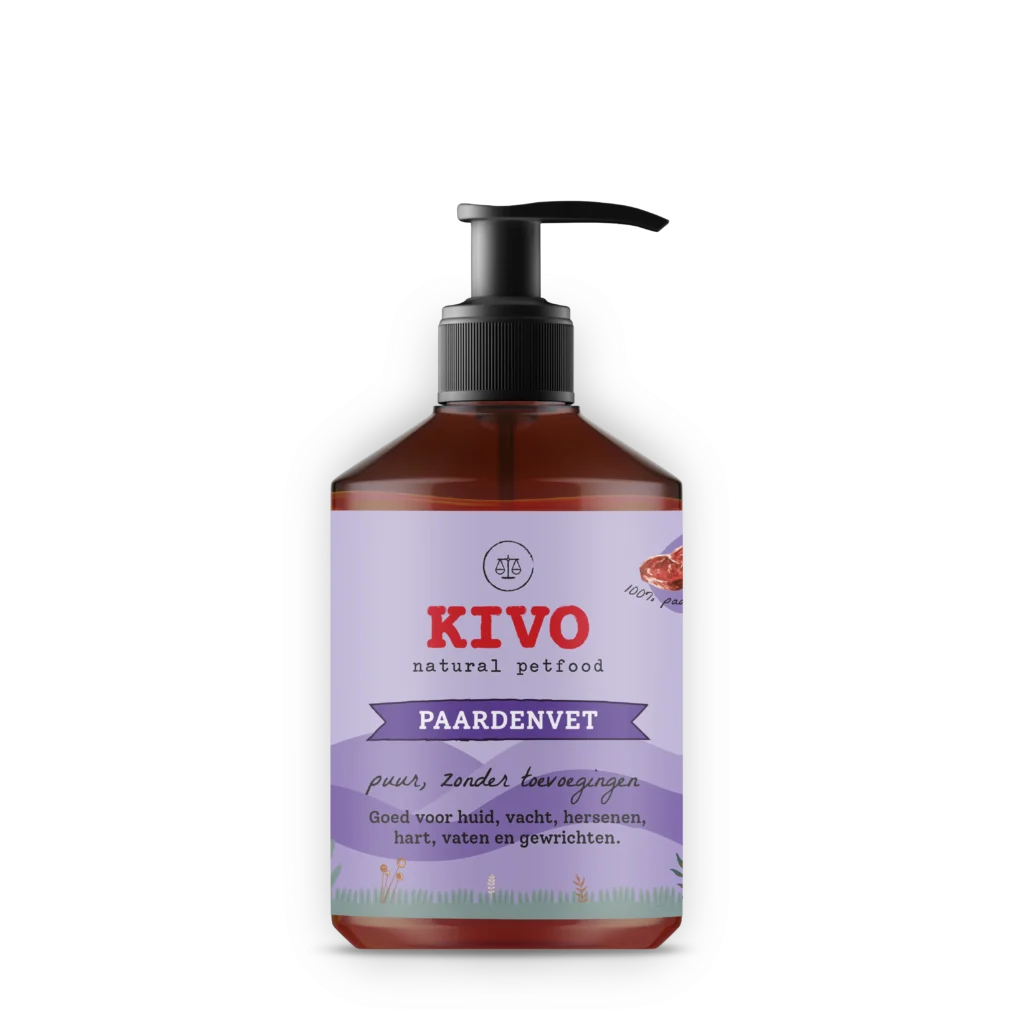
Nutrition has a huge impact on your dog’s skin and coat. Dogs with a dull coat may benefit from a diet containing plenty of:
Good nutrition supports the skin from within and helps restore a healthy, glossy coat.
Because let’s be honest: you can brush your dog every day, but if the foundation isn’t right, the coat will often remain dull.
What Can You Do About a Dull Coat?
If you notice your dog’s coat looking less healthy, there are several things you can do yourself.
These steps often help:
In many cases, the biggest improvements come from combining good grooming with the right nutrition.
A shiny coat does not come from a spray bottle. It comes from proper care and nutrition.
When Should You See a Vet?
Sometimes a dull coat is more than just a cosmetic issue.
Contact your veterinarian if:
If several of these symptoms occur together, it’s a good idea to have your dog examined.
Is a Dull Coat Normal?
A temporarily dull coat can be perfectly normal. For example, during shedding season, in winter or in older dogs. However, if your dog’s coat remains dull for a long time, it’s often a sign that something is out of balance. Unfortunately, dogs can’t simply tell us, “Hey, I think I could use a little more omega-3.”
Summary: Dull Coat in Dogs
A dull coat can have many different causes, including nutrition, age, skin problems and allergies. By paying attention to grooming, diet and any additional symptoms, you can often make a big difference. If the coat remains dull or your dog also develops itching or bald patches, it’s best to seek professional veterinary advice.
Meer lezen
Is tripe good for dogs?
Fair warning: tripe smells about as good as it sounds. It's definitely not something you'd want to eat yourself. But dogs? They usually go absolutely crazy for it. And to be fair, tripe is also a great addition to many dogs' diets.
Can a dog eat carrot?
Many dog owners wonder: can a dog eat carrots? Yes, absolutely! Carrots are a safe and healthy vegetable for dogs. Whether you choose raw, cooked, or steamed, dogs can eat carrots—as long as you offer them in the right way.
Diarrhoea in dogs: what can you do?
You turn around for just a second during your walk and suddenly there's a complete disaster waiting for you on the grass. Yep... your dog has diarrhoea. Definitely not the highlight of your day. Fortunately, diarrhoea in dogs is usually nothing serious and often clears up on its own within a few days. Still, it's helpful to know what can cause it, what you should do and when it's time to give your veterinarian a call.