Is rice good for dogs?
Is your dog suffering from diarrhea, a rumbling stomach, or a tummy that's completely out of sorts? Then you've probably heard the advice: "Just give them some rice." And there's a good reason for that. Rice is a safe, easily digestible source of carbohydrates for dogs and is often used temporarily to support dogs with digestive upset. It is gentle on the stomach and intestines and can help the digestive system settle down.
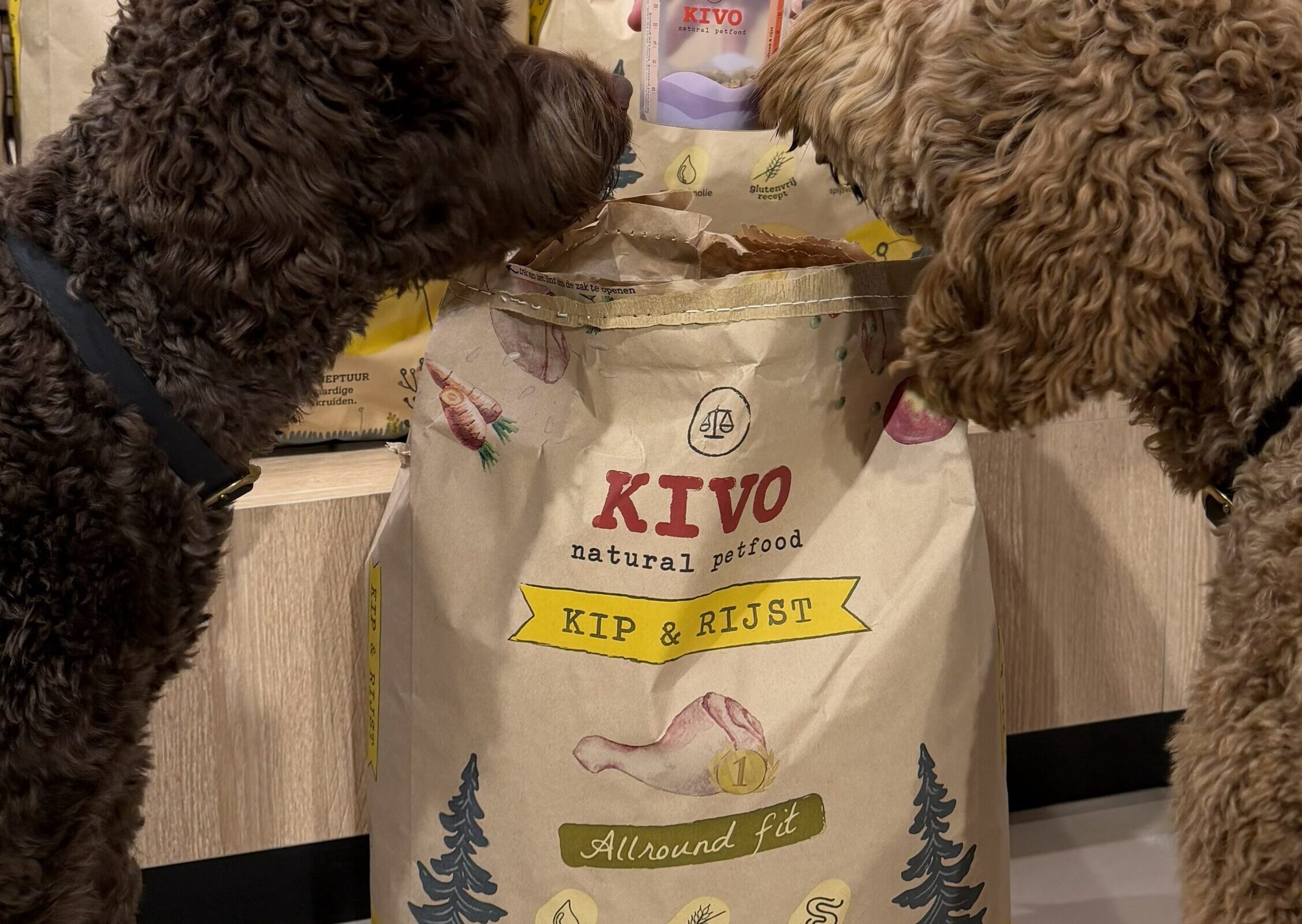

Is rice good for dogs?
Yes, rice can be a healthy addition to a dogs diet. It can be especially helpful when your dog’s stomach or intestines need a little extra support.
Rice:
That’s why rice is commonly fed to dogs experiencing:
Sometimes, your dogs digestive system simply benefits from plain, easy-to-digest food.
Why is rice often given to dogs with diarrhea?
When a dog has diarrhea or a sensitive stomach, you want to put as little strain on the digestive system as possible. Well-cooked rice is gentle on the stomach and helps give the intestines a chance to recover.
It’s important not to suddenly serve your dog a full bowl of rice. Major dietary changes can actually trigger digestive upset, including diarrhea. Whenever you introduce something new to your dogs diet, do so gradually by mixing it with their regular food. Start with small amounts and slowly increase the quantity over several days.
The benefits of rice for dogs:
In other words: skip complicated meals and choose food that’s gentle on your dogs digestive system.
What type of rice can dogs eat?
Not every type of rice is equally suitable for dogs.
The best choice is well-cooked white rice. White rice is softer and easier to digest than brown rice.
Less suitable options include rice prepared with herbs, spices, sauces, butter, or oil. So no, yesterday’s fried rice unfortunately doesn’t count as a bland diet.
Rice is naturally gluten-free. If your dog has a grain intolerance, it’s best to avoid rice. However, if your dog has a gluten intolerance, rice can still be a suitable option.
How should you feed rice to your dog?
Keep it simple and plain.
The best approach is:
Many dogs are fed chicken and rice when they have diarrhea or nausea. And honestly, most dogs don’t mind that at all.
How much rice can a dog eat?
The right amount depends on:
General guidelines:
Rice is meant to support recovery, not replace a complete and balanced diet. As gentle as it is on the stomach, dogs need far more than carbohydrates alone.
Rice helps the digestive system recover, but it should never replace a complete diet.
Does rice help with vomiting and diarrhea?
Yes, rice is commonly used for dogs with diarrhea or vomiting because it is gentle on the digestive system.
It’s also important to:
If the symptoms persist, it’s advisable to consult your veterinarian.
Can dogs eat rice every day?
Occasionally or for a short period? Absolutely.
However, feeding large amounts of rice every day is generally unnecessary. Rice mainly provides carbohydrates and is not a complete food on its own.
A healthy diet should always provide a balanced combination of:
Dog food containing rice
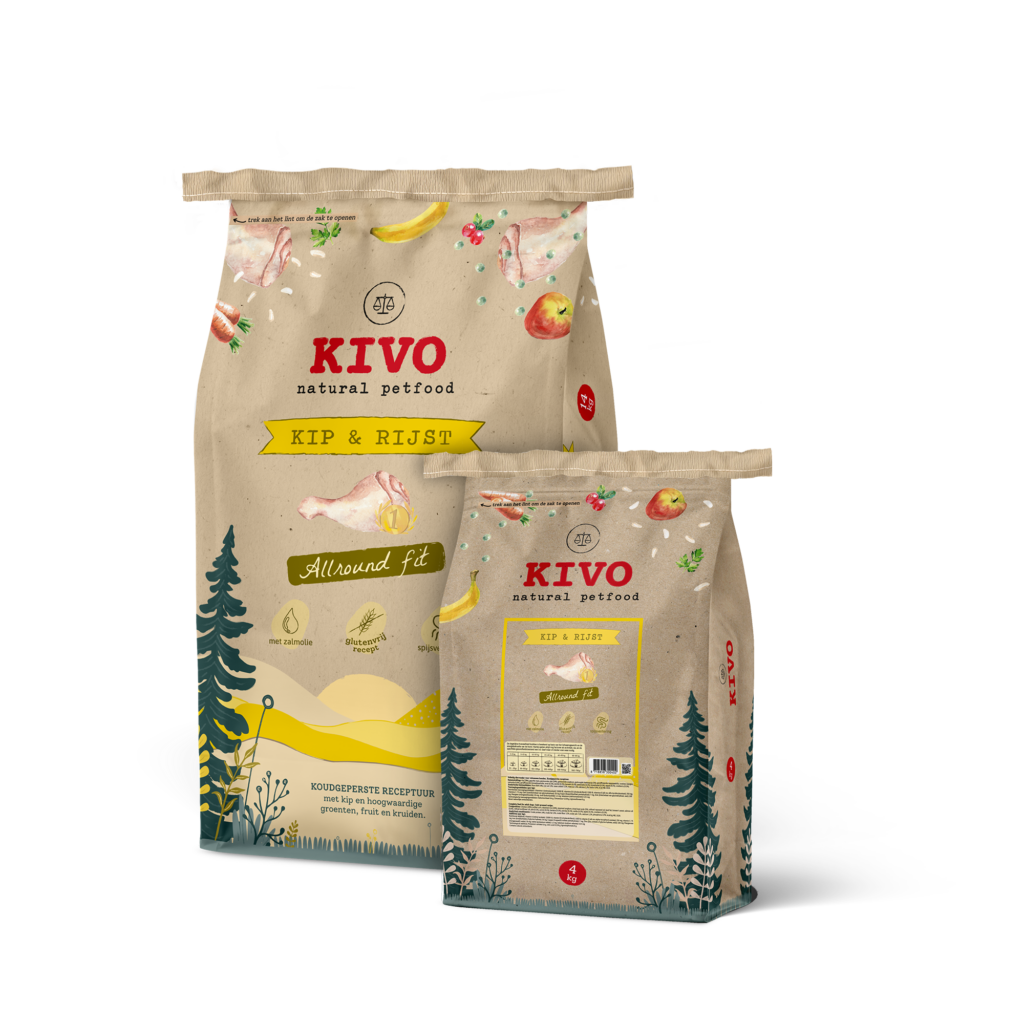
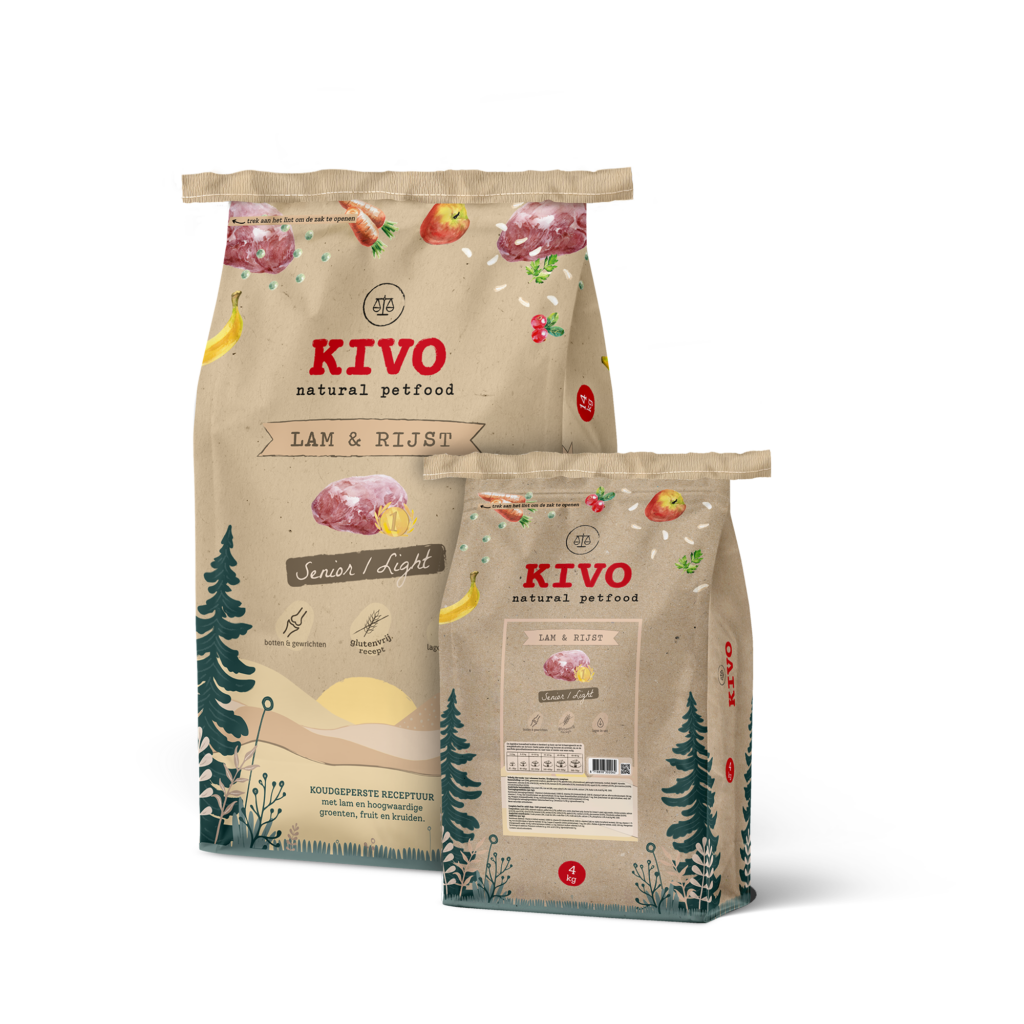
Besides plain rice, many commercial dog foods also contain rice. Rice can be an excellent ingredient in dog food, provided it is used in moderation and meat and/or fish remain the main ingredients.
When reading a dog food ingredient list, the ingredient present in the highest quantity is always listed first, followed by the second most abundant ingredient, and so on. We generally do not recommend foods that list rice as the first ingredient.
Take a look at the ingredient list of your own dog’s food. Which ingredient comes first? If you feed KIVO, the answer will always be meat or fish.
Summary: is rice good for dogs?
Yes, rice is a safe and easily digestible source of carbohydrates for dogs. Especially in cases of diarrhea, nausea, or digestive upset, well-cooked white rice can help soothe the stomach and intestines.
Rice can be fed on its own or be included as an ingredient in dog food. When choosing a dog food containing rice, make sure that meat and/or fish form the foundation of the recipe and that rice is not listed as the first ingredient.
Always serve rice plain, in small portions, introduce it gradually, and use it only as temporary support. If your dogs symptoms persist, seek professional veterinary advice.
Meer lezen
Diarrhoea in dogs: what can you do?
You turn around for just a second during your walk and suddenly there's a complete disaster waiting for you on the grass. Yep... your dog has diarrhoea. Definitely not the highlight of your day. Fortunately, diarrhoea in dogs is usually nothing serious and often clears up on its own within a few days. Still, it's helpful to know what can cause it, what you should do and when it's time to give your veterinarian a call.
Is tripe good for dogs?
Fair warning: tripe smells about as good as it sounds. It's definitely not something you'd want to eat yourself. But dogs? They usually go absolutely crazy for it. And to be fair, tripe is also a great addition to many dogs' diets.
Can a dog eat carrot?
Many dog owners wonder: can a dog eat carrots? Yes, absolutely! Carrots are a safe and healthy vegetable for dogs. Whether you choose raw, cooked, or steamed, dogs can eat carrots—as long as you offer them in the right way.